
A model of acceptance
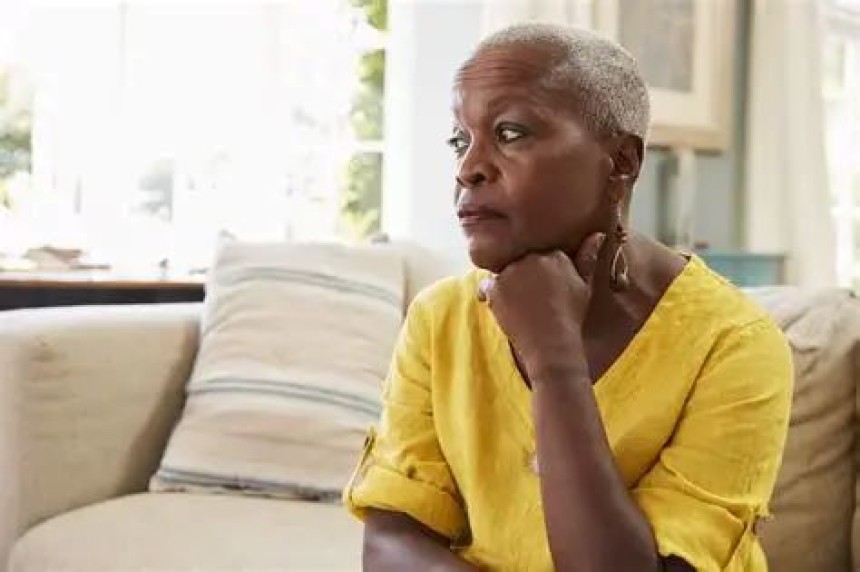
In life, difficult situations render us helpless. The only way to console others is to encourage them to accept whatever has happened and move on. Take a moment and figure out if you have ever thought about what it means to accept a difficult situation. Steven C. Hayes, a psychologist, came up with a model on acceptance and commitment therapy (ACT)that was developed in the 1980s. This model provides an opportunity for an individual experiencing a difficult situation to “learn to stop avoiding, denying, and struggling with their inner emotions and, instead, accept that these deeper feelings are appropriate responses to certain situations that should not prevent them from moving forward in their lives”(psychologytoday.com). How many of our family members are struggling with their emotions? Hayes draws our attention to the need to acquire knowledge on what people go through when faced with challenging situations. It is the wish of everyone to avoid challenges, and if not well prepared to face challenges, one can end up struggling for the rest of their lives.
A lesson from the Scripture: Mary received the message of the angel that she would conceive and give birth to a son. To her challenges responded, “‘Here am I, the servant of the Lord; let it be with me according to your word.’ Then the angel departed from her” (Luke 1:38). How did she manage to have this acceptance and commitment to do the will of God? Acceptance of and commitment in situations that are beyond our understanding allow us to reflect deeply on who we are.
This deep reflection is not easy. CALISCO exists to help individuals face their challenges in a friendly environment, narrating their stories and accepting their situation. They are assured of being empowered and accompanied to move forward. Thus, CALISCO assures those in need that they are not alone. You have to make a choice to prepare your family well on how to accept and remain committed at all times.
Assessment of the effects of family and peer relationships on child we...